Themes of Act III Scene II - "Julius Caesar"
Overview of Act 3, Scene 2 in Julius Caesar
Act 3, Scene 2 of William Shakespeare's Julius Caesar is one of the play's most iconic moments, set in the Roman Forum shortly after Caesar's assassination. Brutus addresses the crowd to justify the murder, appealing to reason and patriotism, while Mark Antony delivers a masterful funeral oration that cleverly turns public sentiment against the conspirators. Through contrasting speeches, Shakespeare explores how words can shape reality, sway masses, and ignite chaos. The scene highlights the fragility of political stability in ancient Rome, drawing on historical events while commenting on timeless human behaviors.
1. The Power of Rhetoric and Persuasion
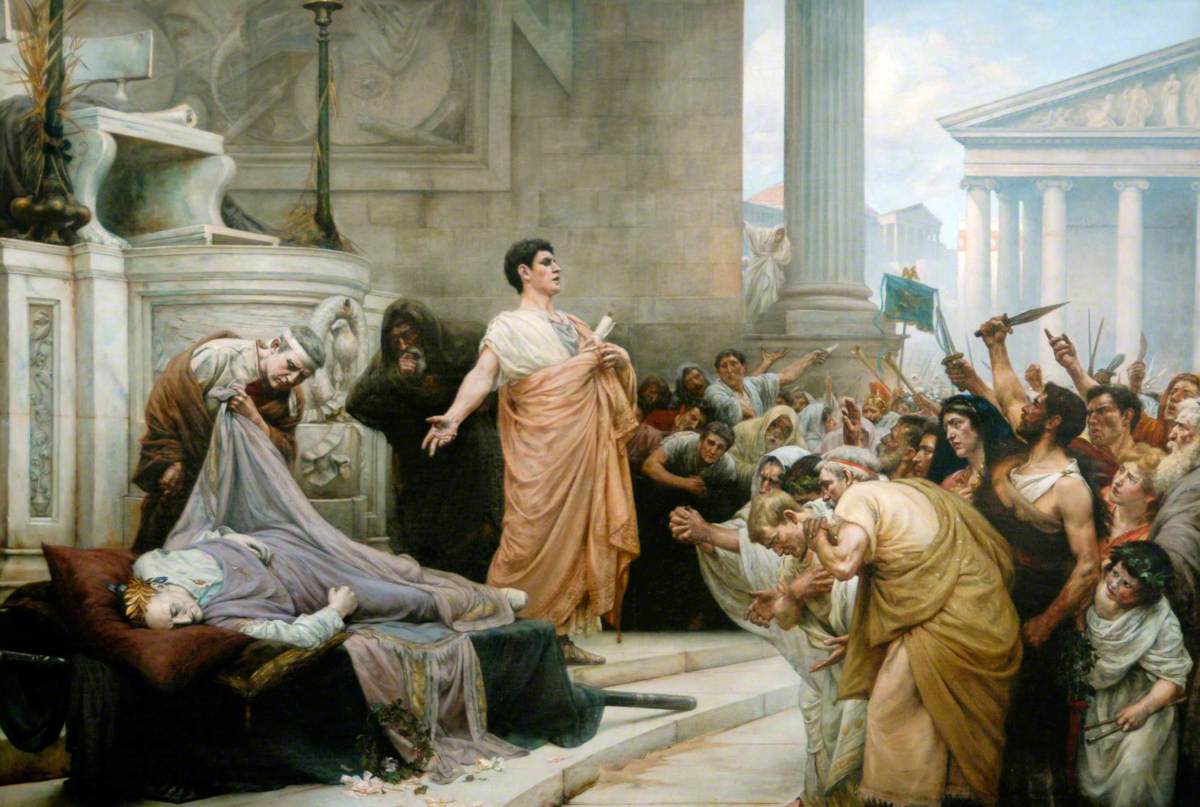
This scene masterfully contrasts two styles of oratory: Brutus's logical, prose-based appeal (logos) versus Antony's emotional, poetic manipulation (pathos). Brutus speaks first, urging the crowd to "believe me for mine honour" and explaining the assassination as a necessary act to prevent tyranny: "Not that I loved Caesar less, but that I loved Rome more." His speech relies on rational arguments and rhetorical questions, like challenging if anyone prefers slavery under Caesar. However, Antony undermines this by repeating "Brutus is an honourable man" ironically, while using vivid imagery and props—such as Caesar's bloodied mantle—to evoke sympathy. He questions Caesar's ambition with evidence: "He hath brought many captives home to Rome / Whose ransoms did the general coffers fill: Did this in Caesar seem ambitious?" This shift demonstrates how effective rhetoric can override facts, turning a supportive crowd into a vengeful mob. The theme underscores language's role in politics, showing words as weapons that can defend or destroy.
2. Manipulation and the Fickleness of the Mob
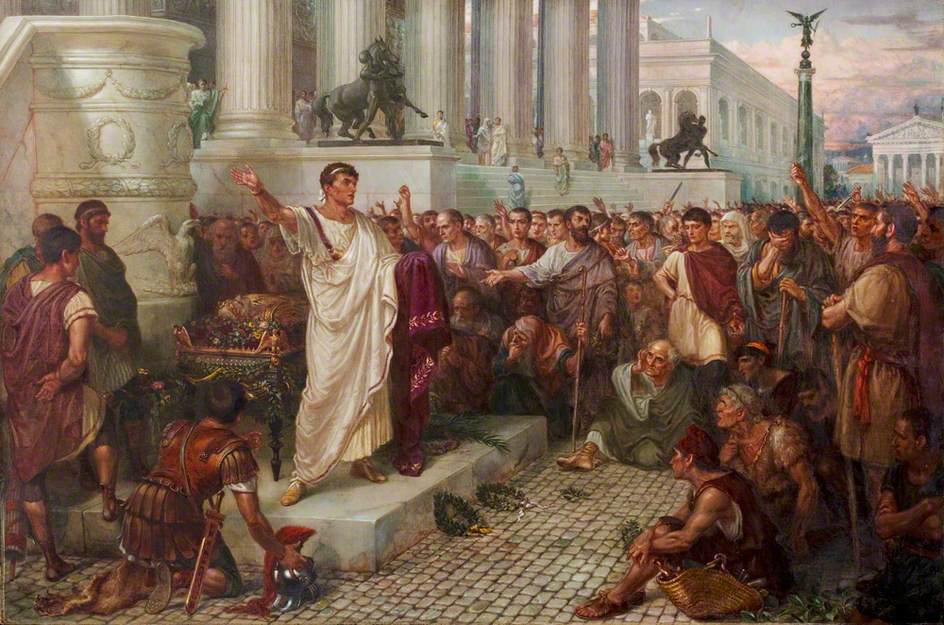
Shakespeare portrays the Roman citizens as volatile and easily swayed, critiquing the dangers of mob mentality in a republic. Initially, the crowd demands satisfaction and cheers Brutus, proposing statues and honors for him: "Live, Brutus! live, live!" But Antony's speech exploits their emotions, revealing Caesar's will (bequeathing money and lands) and displaying his wounds: "Look, in this place ran Cassius' dagger through... Through this the well-beloved Brutus stabb'd." By the end, the same crowd riots, shouting "Revenge! About! Seek! Burn! Fire! Kill! Slay!" This rapid reversal illustrates how leaders can manipulate public opinion through appeals to greed, pity, and outrage, warning of democracy's vulnerability to demagoguery. The citizens' shift from rational patriots to irrational avengers highlights the theme of collective instability.
3. Honor vs. Ambition
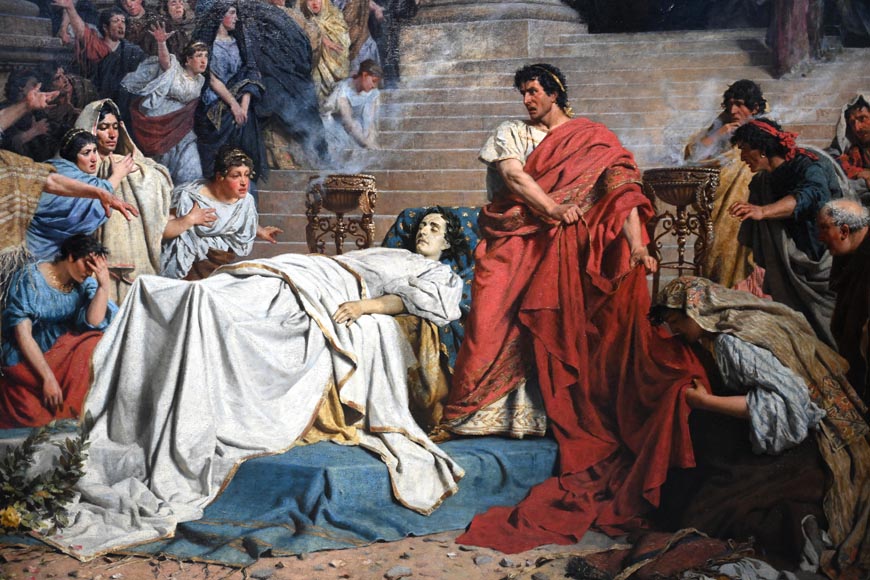
Central to the scene is the debate over personal honor and political ambition. Brutus frames the assassination as an honorable sacrifice: "As he was ambitious, I slew him," positioning himself as Rome's protector willing to die for the cause. He asks the crowd to judge if anyone is "so base that would be a bondman," emphasizing liberty over loyalty. Antony counters by humanizing Caesar—his refusals of the crown, aid to the poor—and sarcastically affirming the conspirators' honor while exposing their betrayal: "This was the most unkindest cut of all." The theme probes whether ambition justifies violence, questioning if "honor" masks self-interest, and reflects broader Elizabethan concerns about leadership and morality.
4. Public vs. Private Morality
The speeches reveal tensions between personal loyalties and public duties. Brutus admits his private affection for Caesar ("As Caesar loved me, I weep for him") but prioritizes Rome's welfare, viewing the killing as a moral imperative. Antony, feigning reluctance, appeals to private griefs while stirring public rage, claiming he wrongs "the dead, to wrong myself and you" rather than the "honourable men." This dichotomy explores how political actions blur ethical lines, with the crowd's response showing how private emotions can fuel public upheaval. It ties into the play's examination of morality in governance, where individual honor clashes with collective good.
5. Legacy and Memory
Antony's oration emphasizes how history remembers leaders, contrasting the "evil that men do lives after them" with good deeds "interred with their bones." By reading Caesar's will and displaying his body, he crafts a heroic legacy for Caesar, ensuring his memory incites revenge. Brutus, meanwhile, seeks to preserve Caesar's "glory not extenuated" while justifying his death. The theme reflects characters' obsession with posterity, as seen in Antony's closing soliloquy: "Now let it work. Mischief, thou art afoot." This foreshadows the civil wars, showing how narratives shape future events.
Act 3, Scene 2 serves as a turning point, illustrating Shakespeare's insight into power dynamics. These themes remain relevant, commenting on leadership, persuasion, and societal division in any era.
Comments
Post a Comment